


How a Skilled Architect Maximises Your Return on Investment
A skilled architect improves return on investment by testing feasibility early, making better use of space, coordinating approvals and technical information, and reducing avoidable changes during construction. The result is not a guaranteed financial return, but a project with clearer costs, lower delivery risk and stronger long-term usability.

Return begins before the first drawing
The largest opportunities to protect value usually appear at the beginning of a project, when the brief, site constraints and budget can still be changed without expensive rework. A skilled architect tests what is realistic before the client commits to a fixed layout, planning route or construction programme.
This early work may identify that a smaller extension solves the brief, a different circulation route unlocks more usable space or a commercial building can support a better mix of uses. It may also reveal a constraint that makes the original idea unviable. Avoiding the wrong project can be as valuable as refining the right one.
Better use of the same floor area
Value does not come only from adding square metres. Poor circulation, dark internal areas, awkward structure and unusable corners can reduce the practical value of a larger building. An architect studies layout, daylight, orientation, views, privacy and movement so that more of the budget contributes to space people can use.
That approach applies to a home, workplace, healthcare setting or mixed-use development. Sigma’s completed architectural projects show how the practice works across different scales and sectors.
A clearer route through planning and approvals
Planning delays, incomplete applications and late design changes can affect finance, consultant costs and contractor availability. An architect cannot guarantee consent, but can identify the relevant planning context, prepare coordinated information and advise when specialist planning or heritage input is appropriate.
Building Regulations approval is separate from planning permission. Technical design must address issues such as structure, fire safety, energy, ventilation and access. Coordinating these requirements before tender gives the contractor a clearer basis for pricing and reduces the number of unresolved decisions left for site.

More reliable tender information
A low initial construction quote is not good value if key elements are missing. Detailed drawings, schedules and specifications help tendering contractors price the same scope. This makes quotations easier to compare and exposes exclusions before the contract is signed.
Sigma’s architectural process includes technical design, tender support, construction involvement and handover. Clients can agree the stages that suit the project rather than assume every commission has the same scope.
Fewer expensive decisions during construction
Changes made on site are often more expensive than decisions made on paper. Materials may already be ordered, trades may need to return and one alteration may affect structure or services. An architect reduces that risk by resolving interfaces earlier and recording what the contractor is expected to deliver.
Unexpected conditions can still arise in existing buildings. The benefit is a structured response: assess the issue, understand the cost and programme effect, coordinate the consultants and give the client a clear decision.
Design for operating costs and longevity
The return from a building continues after handover. Orientation, fabric performance, shading, ventilation, maintainable materials and adaptable layouts can affect energy use, comfort and future alteration costs. The right solution depends on the building rather than a standard list of products.
Durable value also comes from designing for the actual users. A workplace that supports different team sizes or a home that can adapt to changing needs may remain useful for longer and avoid premature refurbishment.
Commercial awareness without sacrificing quality
An architect should understand that every design decision uses part of the client’s budget. Commercial awareness means prioritising the elements that matter, comparing options honestly and protecting the design intent where it creates genuine value. It does not mean adding costly features for appearance alone.
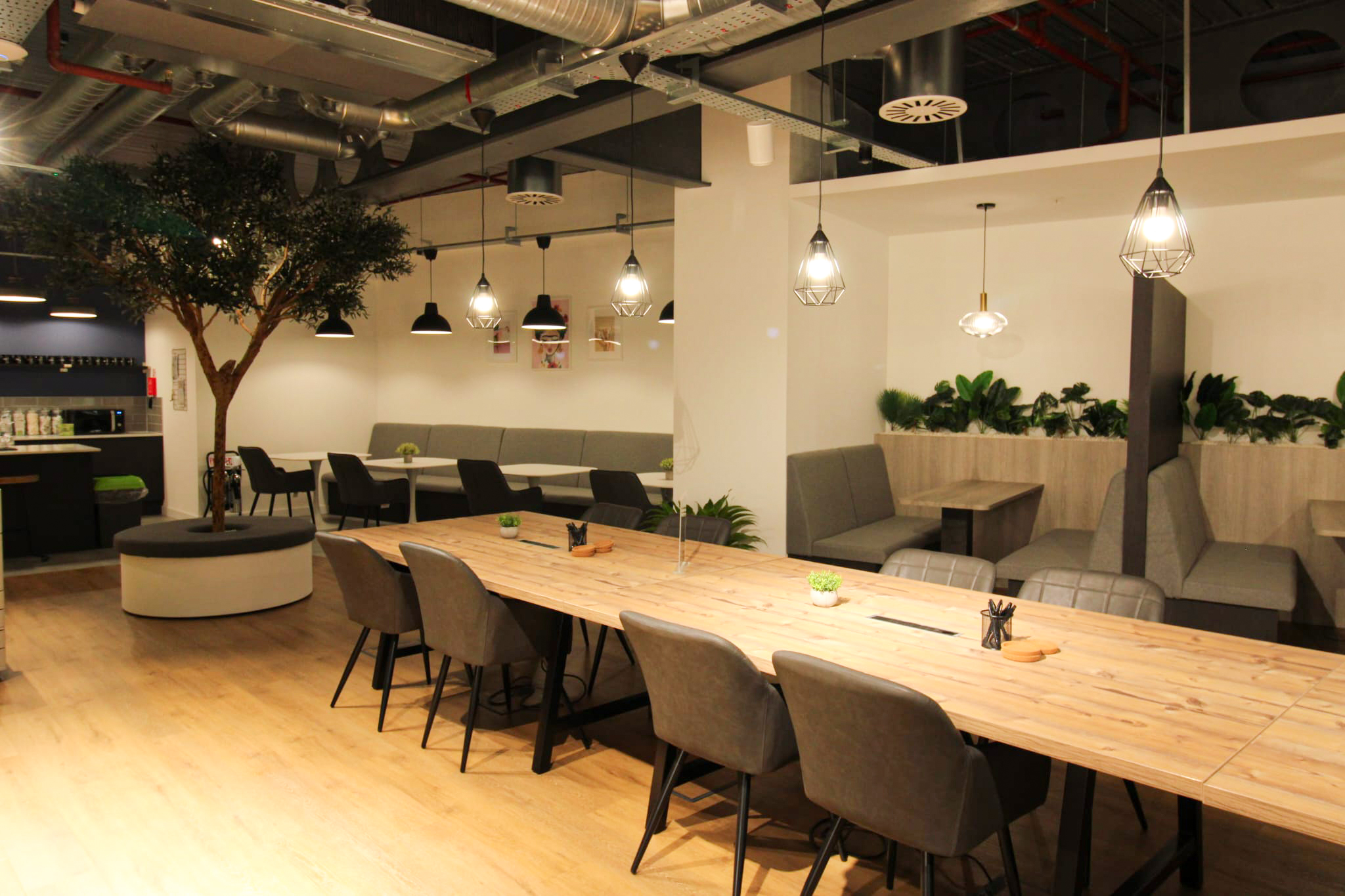
Sigma describes its approach as creative, practical and buildable within budget. Its client and practice profile explains how design quality is balanced with technical delivery and commercial considerations.
How to judge the return from architectural fees
Compare the fee with the scope and risk carried, not only with another percentage. Check whether the proposal includes feasibility, planning, technical design, consultant coordination, tendering, contract administration and site involvement. A lower fee for a narrower service may leave the client to manage significant decisions.
No architect can promise a specific increase in property value. The realistic benefit is better information, more considered design and fewer avoidable gaps between concept and construction. To understand which stages would add value to your project, request a tailored fee proposal.
/Frequently Asked Questions
No. Property value depends on the market, location, condition and demand. An architect can improve design quality, usability and delivery decisions, but should not guarantee a particular valuation or return.
Yes. An architect can align the brief with the budget, coordinate information and help compare tenders. A quantity surveyor may also be recommended for detailed cost planning and cost control.
Architectural input is especially valuable before major commitments are made. Early feasibility and briefing allow the design, approvals strategy and budget to be tested while changes are still relatively inexpensive.
Yes. Services can normally be agreed by project stage. The written appointment should state what is included, what is excluded and which decisions will remain with the client or another consultant.
Every site and brief is different. Contact Sigma Architects for an initial discussion about your building, objectives and the right next step.

 01332480147
 Babington Lodge, 128 Green Lane, Derby, UK, DE1 1RY
 info@sigma-architects.co.uk


